


Pet Digest

How To Love Your Dog on Valentine’s Day

Posted by: doggone Safe on 02/01/2012

FEB Web Header

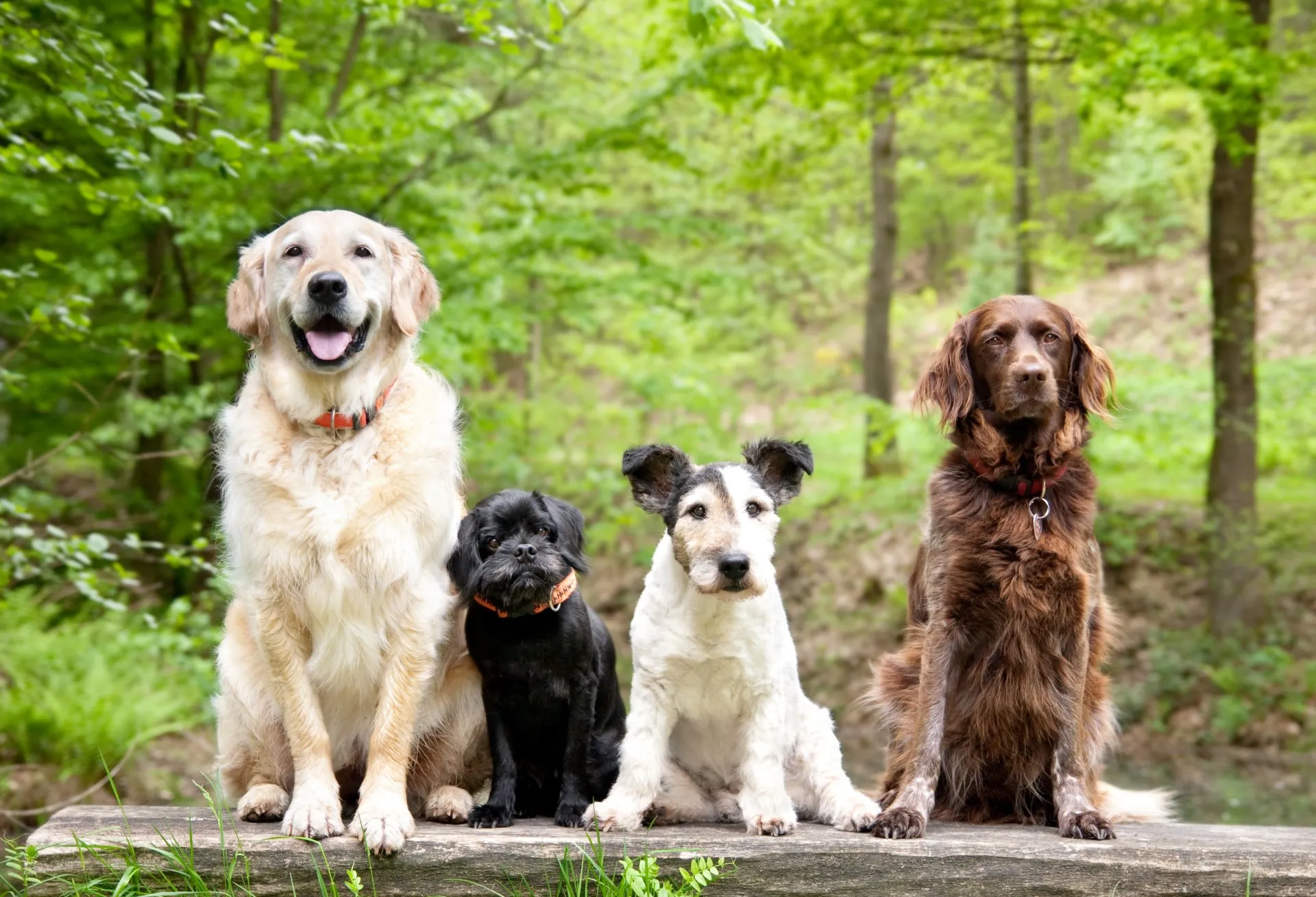
Children want to show love to dogs by giving hugs a kisses, but many dogs don’t like this. Most dog bites are to children, by the family dog or another dog known to the child. Hugs and kisses are a major cause of facial bites to children. There are safe ways for children to love your dog that the dog will appreciate.

Children (and adults too) often want to show love to dogs the way we show love to each other, though hugs and kisses. Dogs do not naturally understand this, or even enjoy it. Hugs and face-to-face contact can be very threatening to dogs. The dog may tolerate this for a while, but at some point may bite or snap to protect himself once he has exhausted all his means of more subtle warning. Some dogs do enjoy a hug from a special person, if it is on their terms and done with some extra scratching on the chest. Few, if any dogs enjoy hugs the way young children do this, which is to clasp around the neck and hang on. Parents should teach their children to avoid face-to-face contact with any dog (even their own dog) and to show love to the dog in ways other than hugging and kissing.

Markham Veterinary Clinic would like to offer the following suggestions for Valentine’s Day about how to love your dog in a way that the dog will appreciate.

Touch Your Dog

  • Invite your dog to come to you for attention. If your dog turns away or moves away, respect his wishes and leave him alone. Many dogs like to be near you, but not necessarily to be touched.
  • Scratch your dog on the side of the neck or on his chest.
  • Avoid hugs and kisses. People enjoy this, but most dogs don’t like hugs and kisses. They might tolerate it, but few actually enjoy it.
  • Invite your dog to sit with you while you read or watch TV. Let him lean on you or put his head on your lap on his terms.
  • Some dogs enjoy a scratch behind the ears. Most dogs don’t enjoy hands coming down on the top of their heads.
  • Pet your dog and then stop. If he tries to get you continue then you will know he likes it.

Play With Your Dog

  • Play games like fetch and hide and seek that do not involve chasing or rough play.
  • Take your dog for lots of walks.

 Understand Your Dog

  • Learn to read dog body language so that you can understand what your dog is trying to tell you.
  • A happy dog pants and wags his tail loosely. He may wag all over.
  • An anxious dog might show a half moon of white in his eye or he may lick his lips or yawn. He may turn his head away or walk away. He wants to be left alone.
  • A dog that suddenly goes stiff and still is very dangerous and might be ready to bite.
  • A dog with his mouth closed and ears forward and/or with his tail held high is busy thinking about something and does not want to be bothered.

Reward Your Dog

  • Look for things your dog does right and give him a treat or praise, petting or play. Never hit or yell at your dog.
  • Give your dog a stuffed toy or a long lasting chew treat to enjoy while he lies on a mat or in a crate.
Source: doggone Safe

Winter Safety Tips

Posted by: Lianne on 01/04/2012

beboo-snow

Cold weather can be hard on pets, just like it can be hard on people. There are things you can do to keep your animals warm and safe. Keep your pet indoors as much as you can when the temperature drops. If you have to take them outside, stay outside with them. When you're cold enough to go inside, they probably are too. If you absolutely must leave them outside for a significant length of time, make sure they have a warm, solid shelter against the wind, thick bedding. Hay is a great insulator that they can snuggle down in. Also, ensure they have access to fresh non-frozen water. Animals that don't have access to clean, unfrozen water are more likely to drink out of puddles or gutters, which can be polluted with oil, antifreeze, household cleaners, and other chemical. 

If you have any questions about how long your pet should be out this winter, ask one of our team memebers.

Cats will curl up against almost anything to stay warm--including car engines. Cats caught in moving engine parts can be seriously hurt or killed. Before you turn your engine on, check beneath the car or make a lot of noise by honking the horn or rapping on the hood.

If you live near a pond or lake, be very cautious about letting your dog off the leash. Animals can easily fall through the ice, and it is very difficult for them to escape on their own. If you must let your dogs loose near open water, stay with them at all times

If you light a fire or plug in a space heater to keep your home toasty warm, remember that the heat will be as attractive to your pets as to you. As your dog or cat snuggles up to the warmth, keep an eye out to make sure that no tails or paws come in contact with flames, heating coils, or hot surfaces. Pets can either burn themselves or knock a heat source over and put the entire household in danger.

Pets that go outside can pick up rock salt, ice, and chemical ice melts in their foot pads. To keep your pet's pads from getting chapped and raw, wipe her feet with a washcloth when she comes inside. If your canine friend will tolerate it there are special booties that can help protect their paws from the winter elements and any chemicals or salts that art put out. This will also keep her from licking the salt off her feet, which could cause an inflammation of her digestive tract

If your pet will put up with it, go ahead and put a sweater on them. It will help a little, but you can't depend on it entirely to keep them warm. Pets lose most of their body heat from the pads of their feet, their ears, and their respiratory tract. The best way to guard your animals against the cold is keeping a close eye on them to make sure they're comfortable

Be particularly gentle with elderly and arthritic pets during the winter. The cold can leave their joints extremely stiff and tender, and they may become more awkward than usual. Stay directly below these pets when they are climbing stairs or jumping onto furniture; consider modifying their environment to make it easier for them to get around. Make sure they have a thick, soft bed in a warm room for the chilly nights. Also, watch stiff and arthritic pets if you walk them outside; a bad slip on the ice could be very painful and cause a significant injury.

When you're outside with your pets during the winter, you can watch them for signs of discomfort with the cold. If they whine, shiver, seem anxious, slow down or stop moving, or start to look for warm places to burrow, they're saying they want to get back someplace warm

Winter can be a beautiful time of year. It can be a dangerous time as well, but it certainly doesn't have to be. If you take some precautions, you and your pet can have a fabulous time. 

Source:  www.heatlhypet.com Copyright 2011 American Animal Hospital Association Inc. All rights reserved.

Holiday Safety Tips

Posted by: Lianne on 12/07/2011

Holiday Safety Tips

Be careful how you deck your halls! One must be aware of some important seasonal hazards in order to insure a happy, healthy holiday season.

RIBBONS & TINSEL
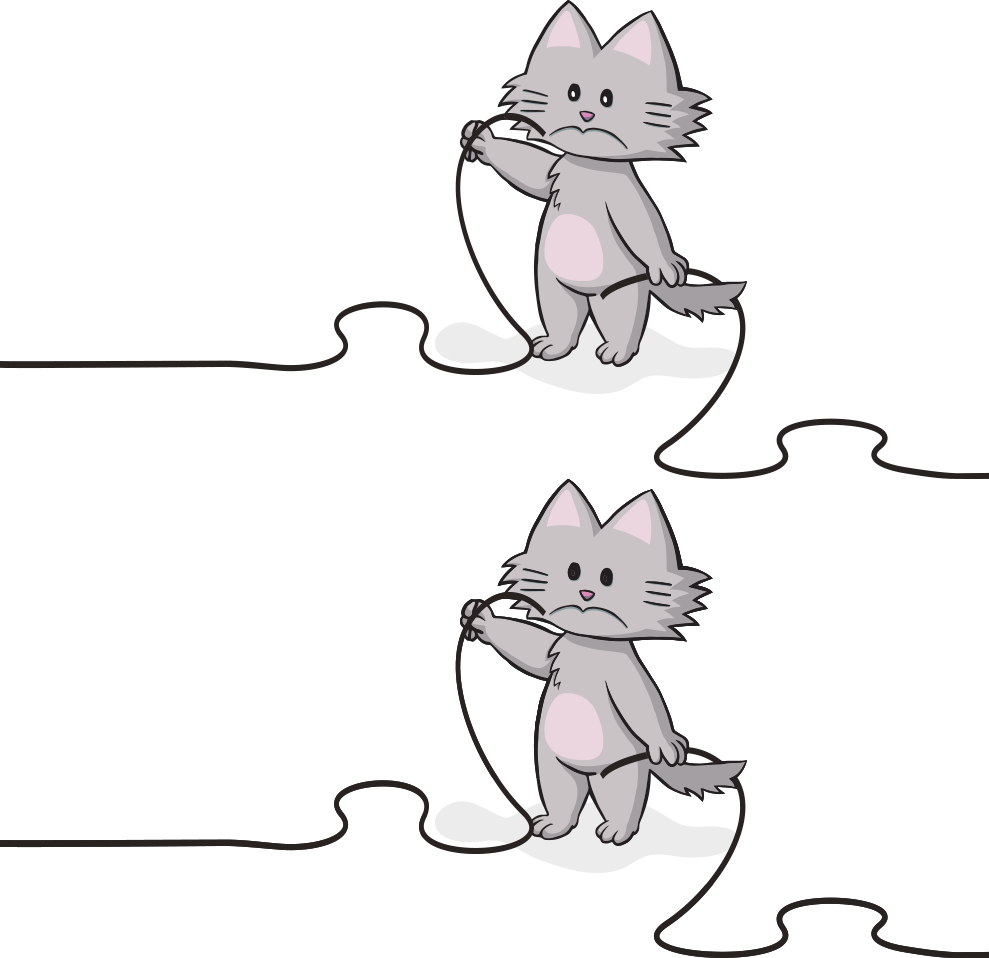
These are of special interest to playful cats and kittens who see these materials as toys (or prey) to be chased, pounced upon, chewed or swallowed. While chasing and pouncing pose no health threats, chewing and swallowing do, as these strings or "linear foreign bodies" can catch in the GI tract, leading to bunching of intestine as the body tries in vain to move the string or ribbon through. This is a life-threatening condition requiring surgery for correction. Supervise animals who play with string closely.

ELECTRIC LIGHT CORDS
These are also tempting to cats who like to play with string as well as to puppies who are teething and interested in chewing. If a pet bites through an electrical cord, it could result in a severe burn to the tongue which causes the pet's lung to fill with fluid, causing respiratory distress. This is also an emergency requiring immediate veterinary attention.

CHOCOLATE
Many people do not realize that chocolate can be a poison. Unsweetened baking chocolate carries a much higher dose of the toxin "theobromine" than does milk chocolate, but even normal milk chocolate can be dangerous; a small dog sharing candy can wind up in big trouble. Clinical signs of chocolate poisoning include hyperexcitability, nervousness, vomiting, and diarrhea and death.

POINSETTIA
Consuming this festive-looking plant can be irritating to the mouth and stomach of the dog or cat that chews on or eats it. Contrary to popular belief, poinsettia is not specifically toxic.

MISTLETOE
The fact that there are several types of mistletoe makes it difficult to predict the clinical signs of poisoning. Some mistletoes produce only stomach upset while others may lead to liver failure or seizuring. Consider mistletoe to be a hazardous substance and keep it inaccessible to pets and children.

COOKING
Keep pets out of the kitchen during the hustle and bustle of the season. The last thing you want is for someone you love to get underfoot and get burned from spillage.

DIETARY INDISCRETION
We all like to include our pets in Holiday meals along with the rest of the family, but try to keep in mind that sudden rich diet changes are likely to upset a pet's stomach. Vomiting and diarrhea are not uncommon. If leftovers are of an especially fatty nature, the pancreas may become inflamed and overloaded. This condition is serious and may require hospitalization. Instead offer a small dog or kitty treat in place of human food.  

Source: www.veterinarypartner.com Copyright 2002-2011 by the Veterinary Information Network, Inc. All rights reserved.

Lumps & Bumps

Posted by: Dr Beverly Wong on 11/02/2011

LumpsBumpsWH

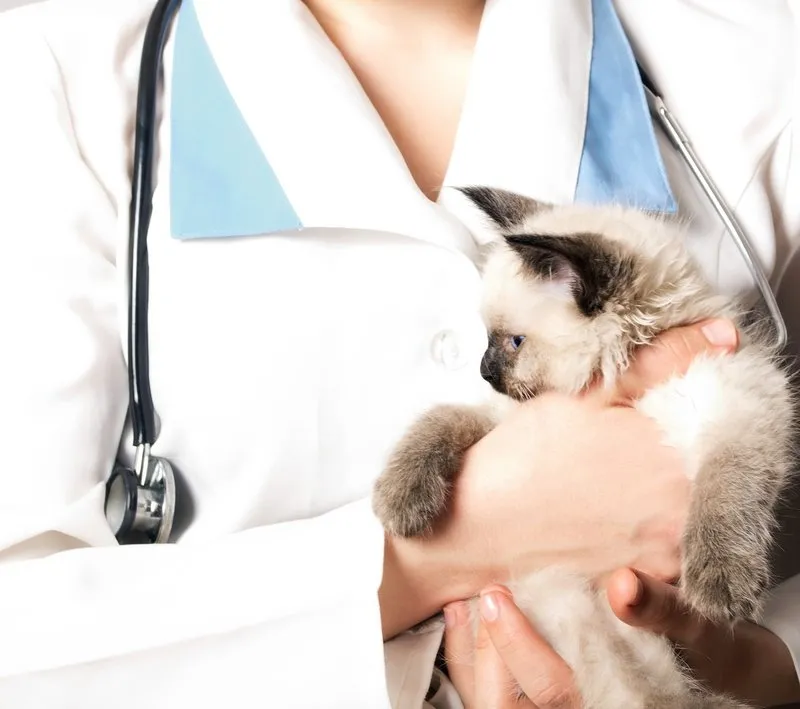
Finding a growth on your pet can be an uneasy experience.  Growths can range greatly in size, shape, and colour, and their significance can also depend on where they are located on the body.  Noting the rate of growth of a nodule or mass is also important.  In any case, a full physical examination and cellular analysis of the lump is necessary to determine whether or not it poses a threat to your pet’s health.  Common lumps include benign fatty tumours (lipomas) found in older pets, but these must be differentiated from cancerous growths.

The first thing to do upon finding a lump is to note where it is located, as well as its size and appearance.  Your Veterinarian will have the tools to accurately measure the size of the lump, so that in the future it can be objectively compared to determine whether or not it is growing.   The texture, location within the layers of skin, and appearance should be recorded and taken into consideration.  Your pet should be checked over head to toe for other growths, and the details with respect to the findings should be noted as well. 

Your Veterinarian will likely recommend testing of the lump to determine what it is.  The most common test is a fine needle aspirate (FNA), where a needle will be passed into the lump and cells drawn out by the suction of a syringe.  The cells are placed on a slide and are analyzed to determine the cellular composition of the growth.  As well, the characteristics of the cells may give an indication whether or not it is likely benign or malignant.   The benefits of this test are that it is a minimally invasive test, it rarely requires sedation, and for most growths it can lead to an accurate diagnosis.  The limitations of a fine needle aspirate often are a result of the small sample size that can be obtained.  Occasionally, a truly representative sample population of cells cannot be obtained using this method.  In this case, the next step would be a biopsy.

A tissue biopsy is the most accurate way of determining what a lump is, including whether or not it has significant health consequences for your pet.  The sample is analysed by histopathology, where a cross-section of the sample is interpreted by a histopathologist.  The benefit of this test is that a larger and more representative sample can be obtained, and the cells and tissue structures can be seen in relation to eachother.  Often a prognosis can be provided with the diagnosis.  A tissue biopsy requires sedation and often general anesthesia, as the pet needs to be absolutely still and the procedure can be painful if performed on an awake patient.

Visiting your Veterinarian as soon as a growth is found is the best preventative medicine for your pet.  The sooner a nodule or mass of concern is tested and removed, the better the chances of a good outcome for your pet.


Written by Dr Beverly Wong, DVM
Markham Veterinary Clinic

Cat Potty Problems

Posted by: Dr Karen Thomas on 09/21/2011

Cat Potty Problems - Webheader

At the prestigious Western Veterinary Conference in February 2011, Dr. Thomas had the pleasure of attending a lecture by Dr. Sophia Yin, DVM. Dr. Yin is a noted Animal Behaviourist who has lectured at many conferences and is well-known for her modern concepts regarding cat behaviour issues.  Dr Thomas found this lecture very helpful and would like to share it with you!

One of the most upsetting problems a cat-owner can face is having a cat that does not reliably use the litter box. Sometimes a cat starts using other locations because of an underlying medical problem (ie bladder inflammation/infection, arthritis). It is always important to seek veterinary advice even if your kitty has eliminated in the wrong place only one time. It is very easy for a medical problem to lead to a secondary for the new spot!

In some cases, the choice not to use the litter box is primarily behavioural. There are some preventive measures that can be taken to stop a purely behavioural problem from developing.  

Cats are very fastidious with their bathroom habits. They carefully choose a quiet spot, inspect the ground, do their thing and then cover up the evidence. They then wipe their paws and go on as if nothing had happened.

Therefore, for cats, even a slight odour or leftover clump of stool in the box from the morning can have them choose an alternative site. Box cleanliness is paramount.

  • Scoop box 2 times/day
  • Wash box with a mild detergent approx. every week
  • Replace box when it gets to the point that washing cannot eliminate all odour
  • Have 1 litter box in the house for each cat plus one.
  • Place the litter boxes in different areas of the house
  • Avoid covered boxes as these can concentrate odour as well as make it harder for you to see when they need cleaning. (They can also make it harder for your kitty to get into proper posture for elimination)

Cats can be very picky about the litter type used.

  • Test a variety of litter types to see which your kitty prefers
  • Avoid scented litters-while nice for us, these strong odours can be offensive to your feline.

Select the litter box carefully.

  • The box should be 1.5 times the size of your cat.
  • If your kitty is “plus-sized”, try using an inexpensive plastic sweater storage box instead of an actual litter box.
  • Experiment with different depths of litter
  • Self-cleaning litter boxes can make enough noise to scare off some cats. 

Place the litter box carefully.

  • Cats like privacy so try not place in a high traffic area of the house.
  • Avoid noisy places near furnaces or water heaters. Consider the noise of alarms and buzzers on laundry machines.
  • Cats do not like to eliminate where they eat - do not place the box too close to the food bowl.
  • If there are multiple cats in the house, put their litter boxes in different areas of the house. Some cats are “bathroom bullies” and may guard the boxes.  This problem can create stress and cause the ambushed cat to hunt for a safer place.

Make allowances for age and mobility.

  • If your kitty is older or arthritic, cut a doorway in the side of the box for easy in and out.
  • Have a litter box on every floor of the house. 

Remember, anxiety can be a big cause of spraying and urinating outside of the box.

  • A change in your work schedule
  • A move to a new house
  • An addition to the household
  • Stress from outside - a rival feline in the neighbourhood could cause your kitty to pee near a look out window or door.
  • Stress from inside - ie.between the cats inside the house, from toddlers. Make sure they get more space (think cat trees so they can watch for danger!) with their own places for eating and their own potty stations.
  • Make sure your kitty is neutered if still intact.

Remember, medical causes can lead to secondary behavioural problems so if your kitty has an “out of the box” experience even once, it is time to consult the veterinarian.

Reference: Dr. Sophia Yin, DVM
San Francisco Veterinary Specialists
Lecture given Western Veterinary Conference 2011

Top 10 Poisons

Posted by: Julie on 08/10/2011

Top 10 of 2010

Both known and unknown toxins can be found hiding in our houses and yards. In 2010, the ASPCA Animal Poison Control Center (APCC) in Urbana, IL, fielded more than 167,000 phone calls about pets exposed to possibly poisonous substances. 

Human Medications
Human medications are once again at the top of the list of pet toxins for 2010. Almost 25 percent of our calls concerned human medications accidentally ingested by pets. The most common culprits include over-the-counter medications (ibuprofen, acetaminophen), antidepressants and ADHD medications. 

Insecticides
About 20% of the calls to the APCC are about insecticides. Insecticides are commonly used on our pets for flea control and around our houses to control crawling and flying bugs. The most serious poisonings occurred when products not labeled for use in cats were applied to them. Always follow label directions.

Rodenticides
Baits used to kill mice and rats are mostly grain based. Not only does this attract rodents, but it attracts dogs and cats. There are several different types of rodenticides that can cause seizures, internal bleeding or kidney failure. Always make sure these items are placed in areas that pets cannot access. 

People Food
Xylitol, grapes, raisins, onions and garlic are commonly ingested by our pets. Grapes and raisins can cause kidney failure in dogs, while onions and garlic can cause anemia if enough is ingested. Xylitol, a sugar alcohol used to sweeten sugar free gums and mints, can cause low blood sugar and liver failure in dogs. 

Veterinary Medications
Many medications made for our pets are flavored for ease of giving. Unfortunately, that means that animals may ingest the entire bottle of medication if they find it tasty. Common chewable medications include arthritis and incontinence medications. Contact your veterinarian if your pet ingests more than his proper dose of medication.

Chocolate
Chocolate contains methylxanthines, which act as stimulants to our pets. The darker the chocolate, the more methylxanthines it contains. Methylxanthines can cause agitation, vomiting, diarrhea, high heart rate, muscle tremors, seizures and death.

Household Toxins
Cleaning supplies, such as bleach, acids, alkalis and other detergents, can cause corrosive injury to the mouth and stomach. Other household items such as batteries and liquid potpourri can cause similar problems. Always keep these toxins behind securely locked doors.

Plants
Both house plants and outdoor plants can be ingested by our pets. Lilies can cause life-threatening kidney failure in cats, while sago palms can cause liver failure in dogs and cats. Keep house plants and bouquets away from your pets.

Herbicides
Many herbicides have a salty taste, and our pets will commonly ingest them. Always follow label directions and keep pets off treated areas until they are dry.

Outdoor Toxins
Antifreeze, fertilizers and ice melts are all substances that animals can find outdoors. Keep these items in securely locked sheds or on high shelves where pets cannot get to them.

Article courtesy of the ASPCA Animal Poison Control Center (APCC).


Older Posts